
The manufacturing industry is constantly evolving. From automation and robotics to labor shortages and supply chain innovations, staying informed about manufacturing industry trends is essential for both employers and job seekers.
Whether you’re seeking a new career, working with a manufacturing staffing agency, or managing a production operation, understanding these trends helps you make better hiring and career decisions.
In this guide, we’ll cover:
- key manufacturing trends shaping the industry
- technology and automation developments
- labor and workforce challenges
- skills in demand
- emerging career opportunities
Automation and Robotics
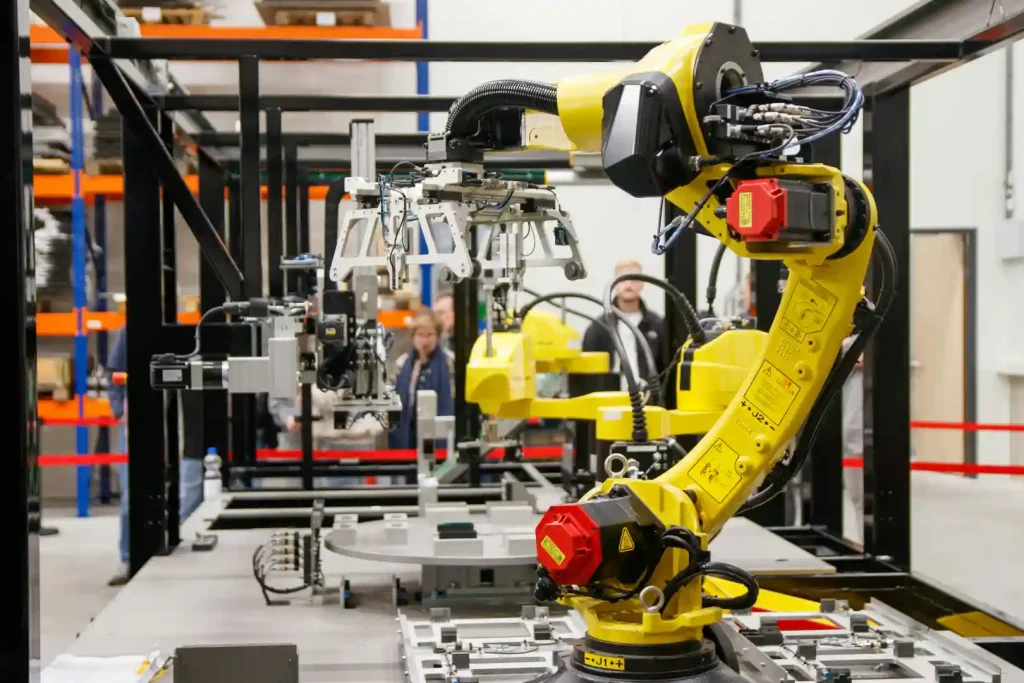
One of the most significant trends in manufacturing is the integration of automation and robotics.
- Robotic arms and assembly machines improve efficiency and precision.
- Automated guided vehicles (AGVs) streamline warehouse and factory logistics.
- Smart machines and sensors enable real-time quality control.
Impact on job seekers:
While automation reduces some manual tasks, it increases demand for skilled operators, technicians, and engineers who can maintain, program, and troubleshoot these systems.
Advanced Manufacturing Technologies
The industry is adopting advanced technologies like:
- 3D printing / additive manufacturing for prototypes and specialized parts
- IoT-enabled machinery for predictive maintenance
- Artificial intelligence to optimize production schedules
These technologies require workers with technical skills, data literacy, and adaptability.
Skilled Labor Shortages
Many manufacturers face labor shortages, particularly for technical roles such as:
- CNC machinists
- Welding specialists
- Heavy equipment operators
- Quality assurance inspectors
Staffing agencies often play a crucial role in bridging this gap by connecting qualified candidates with employers.
Impact on job seekers:
Shortages create opportunities for individuals with training or certifications, often leading to higher wages and faster career advancement.
Emphasis on Workforce Training
To meet evolving demands, manufacturers are investing in training and upskilling programs:
- Internal certification programs for CNC, welding, or heavy equipment operations
- Apprenticeships and trade school partnerships
- Safety and compliance training
Job seekers who complete training or certification programs are in high demand and better positioned for long-term careers.
Sustainability and Green Manufacturing
Environmental sustainability is becoming increasingly important:
- Reducing energy usage in plants
- Implementing waste reduction processes
- Using recycled or eco-friendly materials
- Meeting government and industry sustainability standards
Impact on careers:
New roles are emerging in sustainable manufacturing, such as energy analysts, compliance specialists, and process engineers focused on green initiatives.
Supply Chain Innovations
Global supply chain disruptions have forced manufacturers to rethink logistics:
- Onshoring or nearshoring production
- Investing in smart supply chain technology
- Emphasizing agility and redundancy
Workers with logistics, planning, or supply chain skills are increasingly valuable.
Emerging Career Opportunities
As the industry evolves, new career paths are emerging and here are some of the manufacturing jobs examples:
- Robotics technician
- CNC programmer
- Quality data analyst
- Industrial IoT specialist
- Green manufacturing compliance officer
These opportunities often require specialized training, technical skills, or certifications—reinforcing the value of training-focused articles in your hub.
Salary and Compensation Trends
Due to labor shortages and skill demand, salaries in manufacturing are rising, especially for technical roles:
| Role | Average Salary |
|---|---|
| CNC Machinist | $42,000 – $70,000 |
| Heavy Equipment Operator | $45,000 – $65,000 |
| Robotics Technician | $55,000 – $85,000 |
| Production Supervisor | $60,000 – $90,000 |
Employers are also offering benefits, signing bonuses, and paid training to attract qualified candidates.
The Role of Staffing Agencies
Manufacturing staffing agencies are increasingly important because they:
- Connect employers with trained and certified candidates
- Provide access to temporary, temp-to-perm, and permanent staffing solutions
- Help job seekers find roles that match their skills and certifications
- Facilitate upskilling and training programs
Frequently Asked Questions (FAQs)
What are the biggest trends in manufacturing?
Automation, robotics, skilled labor shortages, and sustainability initiatives are currently driving industry change.
Are manufacturing jobs growing?
Yes, particularly for technical roles, equipment operators, and positions requiring specialized training.
How can I stay competitive as a job seeker?
Obtain certifications, gain hands-on experience, and develop technical skills aligned with automation, CNC machining, or equipment operation.
How do staffing agencies help?
They provide connections to employers, access to training programs, and help navigate career pathways in a competitive industry.
Manufacturing is evolving rapidly, driven by technology, labor trends, and sustainability initiatives.
Job seekers who stay informed, pursue training or certification, and partner with manufacturing staffing agencies are best positioned to secure high-demand roles with strong salaries and career growth potential.
Employers benefit from understanding these trends to strategically hire, retain, and train a skilled workforce.
By monitoring manufacturing industry trends, both job seekers and employers can make smarter decisions and thrive in this dynamic sector.