
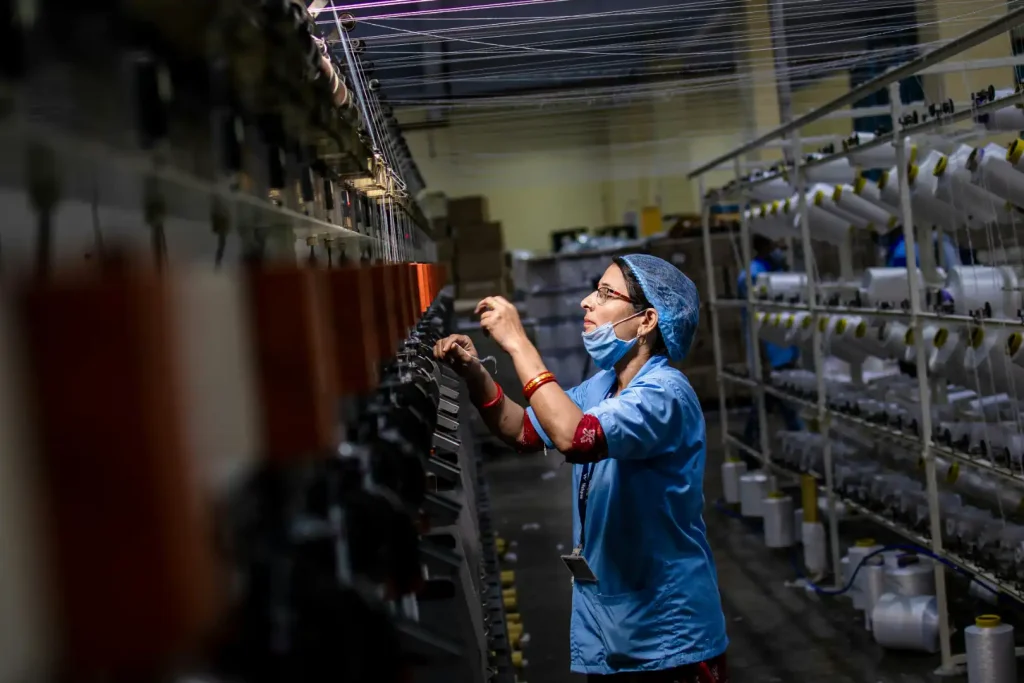
The manufacturing industry is one of the largest employment sectors, offering a wide variety of career paths. From hands-on production roles to technical and management positions, there’s something for almost every skill set.
If you’re wondering of manufacturing jobs examples, and understanding the different roles for those jobs. This article is right for you.
In this article, we’ll cover:
- common manufacturing jobs
- responsibilities for each role
- skills required
- salary expectations
- potential career paths
This is especially helpful for job seekers using manufacturing staffing agencies to find work.
Production and Assembly Roles
These are often entry-level roles and are critical to keeping the manufacturing floor running.
Common positions:
- Machine Operators: Operate machines that shape, cut, or assemble materials.
- Assembly Line Workers: Assemble parts or products according to instructions.
- Packaging Technicians: Package finished products for shipping.
Key Skills:
- Attention to detail
- Manual dexterity
- Ability to follow instructions
- Basic mechanical knowledge
Salary Range: $28,000 – $40,000 annually
These roles often serve as a starting point for long-term manufacturing careers.
Technical and Skilled Trades
Technical roles often require specialized training or certification.
Common positions:
- CNC Machinists: Operate computer-controlled machinery to create precise parts.
- Welders: Join metal components using various welding techniques.
- Electricians / Industrial Technicians: Maintain machinery and electrical systems.
- Forklift Operators / Heavy Equipment Operators: Move materials safely around production sites.
Key Skills:
- Technical training or certification
- Safety awareness
- Problem-solving skills
- Mechanical aptitude
Salary Range: $35,000 – $65,000 annually
Many of these positions offer growth potential into supervisory or lead technician roles since the increasing trend in manufacturing industry
Quality and Safety Roles
Quality assurance and safety positions are essential to ensure products meet industry standards.
Common positions:
- Quality Control Inspectors: Inspect products to ensure they meet specifications.
- Safety Coordinators: Ensure workplace safety procedures are followed.
- Process Auditors: Monitor manufacturing processes for efficiency and compliance.
Key Skills:
- Attention to detail
- Knowledge of safety regulations
- Analytical skills
- Communication skills
Salary Range: $40,000 – $70,000 annually
These roles are critical for regulatory compliance and maintaining production standards.
Supervisory and Management Roles
For those interested in leadership, manufacturing offers several management positions.
Common positions:
- Production Supervisors: Oversee teams on the production floor.
- Operations Managers: Coordinate multiple departments and ensure smooth production.
- Plant Managers / Facility Managers: Manage overall operations, budgets, and strategic planning.
Key Skills:
- Leadership and team management
- Problem-solving and decision-making
- Production and workflow knowledge
- Communication and planning skills
Salary Range: $60,000 – $120,000+ annually
Management roles often require several years of experience or certifications in manufacturing or operations management.
Engineering and Design Roles
These roles focus on creating and improving products and production processes.
Common positions:
- Industrial Engineers: Optimize production processes for efficiency.
- Mechanical Engineers: Design machinery and components.
- Process Engineers: Improve workflows, reduce waste, and increase safety.
Key Skills:
- Engineering or technical degree
- Analytical and problem-solving skills
- CAD/CAM knowledge
- Project management
Salary Range: $65,000 – $110,000+ annually
These roles are ideal for professionals interested in technical problem-solving and innovation.
Support and Administrative Roles
Manufacturing isn’t just about the production floor — support roles ensure smooth operations.
Common positions:
- Inventory Specialists: Manage raw materials and finished goods.
- Logistics Coordinators: Plan shipping and supply chain operations.
- Human Resources / Staffing Coordinators: Manage recruitment, training, and employee relations.
- Maintenance Planners: Schedule machine maintenance to avoid downtime.
Key Skills:
- Organizational skills
- Communication skills
- Software proficiency (ERP, inventory systems)
- Attention to detail
Salary Range: $40,000 – $75,000 annually
These roles are critical to the efficiency of the entire manufacturing operation.
Career Growth Opportunities in Manufacturing
One of the advantages of the manufacturing industry is the clear career progression from entry-level to advanced positions.
A typical path might look like:
- Production Worker → Skilled Technician → Lead Operator → Supervisor → Operations Manager → Plant Manager
Specialized roles, such as CNC machinist or process engineer, may progress into programming, design, or technical leadership positions.
Using manufacturing staffing agencies can help accelerate career growth by connecting job seekers to roles at multiple companies, often with training or certification opportunities included.
Frequently Asked Questions (FAQs)
What manufacturing jobs pay the most?
Leadership roles such as operations managers and plant managers typically earn the highest salaries. Specialized technical roles, like CNC programmers and industrial engineers, also have high earning potential.
Do I need a degree for manufacturing jobs?
Many production and assembly roles do not require a degree, but technical, engineering, and management roles often do. Certifications and training programs can also help you advance.
Can I start without experience?
Yes. Many entry-level roles such as assembly or machine operator positions provide on-the-job training, making it accessible to new job seekers. Therefore job seekers should look out for manufacturing industry trends that is happening now.
Are manufacturing jobs stable?
Yes — especially in high-demand industries like aerospace, automotive, electronics, and industrial equipment. Job stability increases with experience, technical skills, and certifications.
The manufacturing industry offers a wide variety of roles for different skills and interests. From production and assembly to technical, engineering, and management positions, there are opportunities for job seekers at all experience levels.
For individuals looking to explore these opportunities, working with manufacturing staffing agencies can help you:
- find the right roles faster
- access training or certification programs
- discover long-term career growth paths
Understanding manufacturing jobs examples is the first step to building a rewarding career in this dynamic industry.