
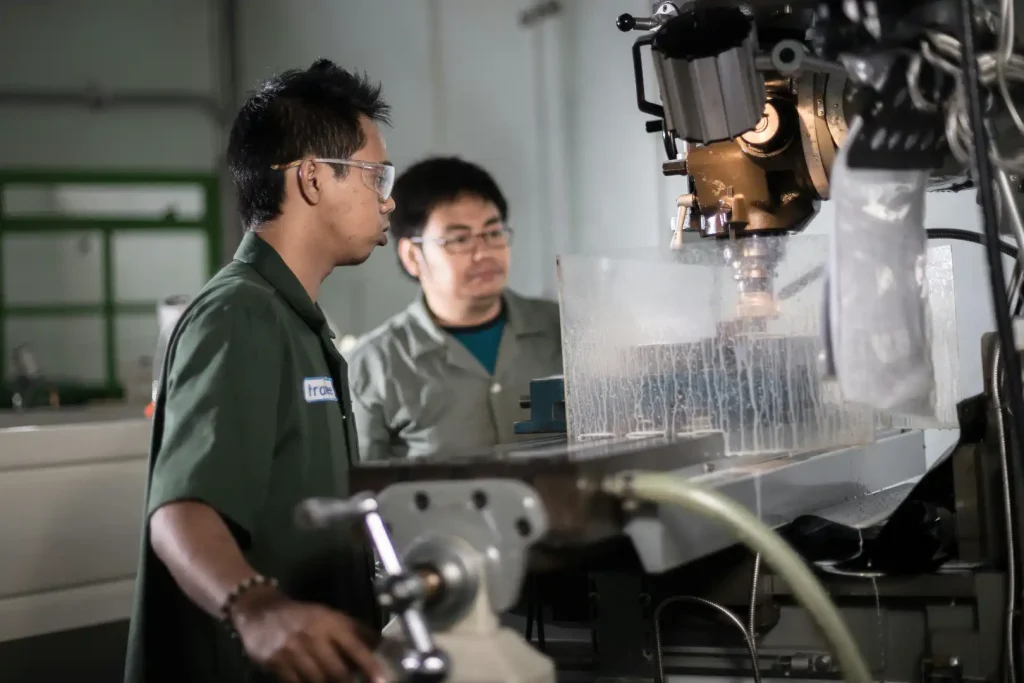
CNC machinists play a critical role in modern manufacturing. From automotive components to aerospace parts and precision tools, many of the products used every day are created with the help of computer numerical control (CNC) machining.
If you are considering a career in manufacturing or looking to better understand technical production roles, you may be asking: what do CNC machinists do?
In simple terms, CNC machinists operate advanced machinery that cuts, shapes, drills, and finishes metal, plastic, and other materials into highly precise components.
This role combines technical skills, machine operation, blueprint reading, and quality control, making it one of the most valuable positions in the manufacturing sector.
In this guide, we’ll break down the responsibilities, daily tasks, required skills, salary expectations, and career opportunities for CNC machinists. For job seekers, exploring long-term opportunities in industrial roles, working with a manufacturing staffing agency can make it easier to connect with employers hiring CNC machinists, machine operators, and other skilled production professionals.
What Is a CNC Machinist?
A CNC machinist is a skilled manufacturing professional who works with computer-controlled machines used to produce precision parts.
These machines follow programmed instructions to manufacture parts with extremely tight tolerances and consistent accuracy.
Common CNC machines include:
- milling machines
- lathes
- grinders
- drilling machines
- routers
CNC machinists are responsible for ensuring these machines run correctly and produce parts according to exact specifications.
What Do CNC Machinists Do on a Daily Basis?
The day-to-day responsibilities of a CNC machinist can vary depending on the company and industry, but the core tasks are usually similar.
1. Reading Blueprints and Technical Drawings
One of the most important parts of the job is interpreting technical documents.
CNC machinists regularly work with:
- engineering blueprints
- CAD drawings
- dimensional specifications
- tolerance requirements
They must understand:
- measurements
- symbols
- material types
- production notes
This ensures the final product matches the design exactly.
2. Setting Up CNC Machines
Before production begins, machinists prepare the machine for operation.
This includes:
- installing tools and cutters
- securing raw material
- adjusting machine settings
- calibrating measurements
- checking alignment
Proper setup is critical because even a small misalignment can lead to defective parts.
3. Operating CNC Equipment
Once setup is complete, machinists operate the equipment.
Depending on the role, they may:
- load material into the machine
- start production runs
- monitor machine performance
- adjust cutting speeds
- change tooling during production
Although machines are computer-controlled, human oversight remains essential.
4. Monitoring Production Quality
A major responsibility is ensuring every part meets quality standards.
This often involves measuring finished components using tools such as:
- micrometers
- calipers
- gauges
- measuring probes
Precision is extremely important in manufacturing sectors such as aerospace, medical devices, and automotive parts.
Even a small measurement error can affect product performance.
5. Troubleshooting Machine Issues
CNC machinists often solve technical problems during production.
Examples include:
- tool wear
- incorrect dimensions
- machine vibration
- programming errors
- material feed issues
Problem-solving is a major part of the role.
Skills Required for CNC Machinists
CNC machining requires a combination of technical and analytical skills.
Technical Skills
Important technical skills include:
- blueprint reading
- machine setup
- measuring tools
- tooling knowledge
- material understanding
- machine maintenance basics
Computer Skills
Because CNC systems are software-driven, machinists often work with machine interfaces and programming systems. These skills are very important, one of the examples of manufacturing jobs that utilize these skills is machine operator.
Basic familiarity with:
- G-code
- CNC software
- CAD/CAM systems
can be extremely valuable.
Attention to Detail
This role demands high precision.
A fraction of a millimeter can make a part unusable.
Attention to detail is one of the most important qualities employers look for.
Problem-Solving
Machine issues, tool wear, and production defects require fast thinking and technical troubleshooting.
Strong problem-solving ability helps machinists reduce downtime and waste.
Where Do CNC Machinists Work?
CNC machinists are employed across many sectors.
Common industries include:
- automotive manufacturing
- aerospace
- electronics
- industrial equipment
- oil and gas equipment
- construction materials
- medical device production
This makes it a versatile and in-demand career path.
CNC Machinist Salary Expectations
Salary depends on experience, location, specialization, and industry.
Here’s a typical salary range:
| Experience Level | Average Annual Salary |
|---|---|
| Entry Level | $38,000 – $48,000 |
| Mid-Level | $50,000 – $65,000 |
| Senior / Specialist | $65,000 – $85,000+ |
| CNC Programmer / Lead | $75,000 – $95,000+ |
Highly specialized sectors such as aerospace and medical manufacturing often offer higher pay.
Career Growth Opportunities
One reason this is a strong manufacturing career is the growth path.
A common progression may look like:
Machine Operator → CNC Machinist → Senior Machinist → CNC Programmer → Production Supervisor
This provides clear advancement opportunities.
Manufacturing staffing agencies often recruit for all levels within this progression.
Do CNC Machinists Need Certification?
Certification is not always mandatory, but earning a CNC machinist certification can significantly improve employability and help candidates stand out for higher-paying roles.
Common certifications may include:
- CNC machine operation certificates
- machining technology diplomas
- technical college programs
- manufacturer-specific certifications
For example:
Candidates looking to advance often pursue CNC machinist certification to improve job prospects and salary potential.
Is CNC Machining a Good Career?
Yes — for many job seekers, it is an excellent manufacturing career path.
Benefits include:
- strong demand
- technical specialization
- stable career growth
- above-average manufacturing salaries
- progression into programming and leadership roles
It is particularly attractive for people who enjoy precision work and technical environments.
Challenges of the Job
These may include:
- standing for long periods
- repetitive production tasks
- strict quality standards
- fast-paced production deadlines
Still, for many professionals, the salary and growth opportunities make it worthwhile.
Frequently Asked Questions (FAQs)
Is CNC machining hard to learn?
It can be technical at first, but many professionals enter through training programs and gain experience on the job.
Do CNC machinists need math skills?
Yes. Basic measurement, geometry, and precision calculations are important.
Can CNC machinists advance into management?
Yes. Many move into lead operator, supervisor, or production management roles.
So, what do CNC machinists do?
They are highly skilled manufacturing professionals responsible for operating and maintaining precision computer-controlled machinery that produces critical parts for multiple industries.
For job seekers interested in manufacturing careers, CNC machining offers:
- strong salary potential
- technical specialization
- long-term career growth
- stable demand